How to Avoid Smoking While Driving: A Practical Trigger Plan
Craving Management7 min

A craving in the car is a driving problem first. Anything that needs your hands, your phone or close attention waits until you are safely parked.
Prepare the cabin before you set off: cigarettes and lighters out of reach, audio already queued, and a legal place in mind if the urge starts to steal concentration. Give arrival its own ending as well. Starting the engine, the usual shop stop and sitting in the driveway after work are often where the old cigarette used to happen.
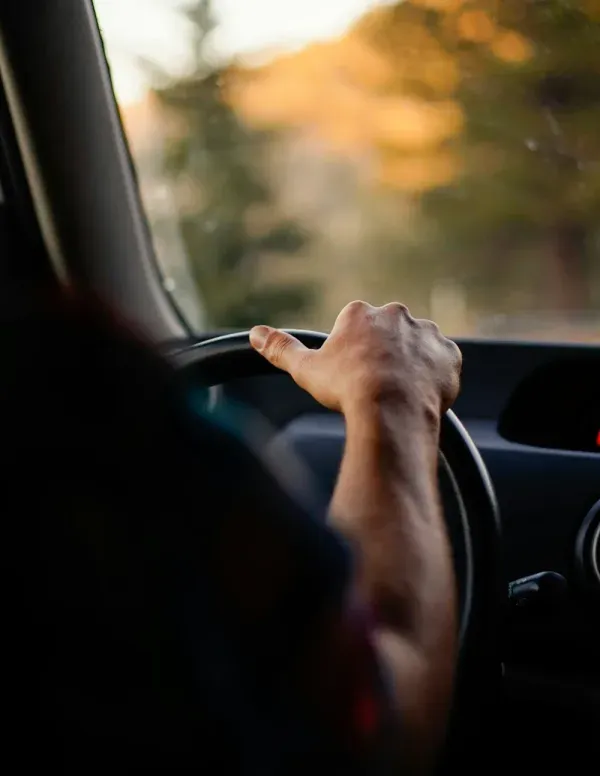
Before Departure: Remove the Easy Reach
Empty the car of cigarettes, lighters, packets and ashtray contents while parked. Clean the places where you kept them and, where practical, remove lingering smoke smells. This gives you a clearer starting point than carrying an emergency packet in the glovebox.
The car itself can become associated with smoking.NCI Cleaning will not guarantee that an urge disappears, but it removes the objects that make acting on it easy.
Prepare anything you want for the journey before starting: route, audio and a planned rest stop for a longer trip. Have a drink before departure if you want one. Avoid setting yourself a routine that requires searching through a bag, opening an app or reaching for a replacement object while moving.
If you use stop-smoking medication, follow its instructions and arrange any questions about timing with your pharmacist before the journey. Do not improvise a new treatment routine in traffic.
While Driving: Keep the Response Simple
You can notice an urge without doing something elaborate about it. A brief thought such as "I can deal with this when I'm parked" may be enough to postpone the decision while you keep your eyes on the road and your hands available for driving.
Avoid phone timers, detailed breathing counts, journalling, changing playlists or squeezing objects as a craving exercise at the wheel. If the urge, distress or withdrawal is interfering with your concentration, find a safe, legal place to stop. Do not stop somewhere dangerous just to deal with a craving.
Once safely parked, you can take a proper break, move around where safe, or use a short craving technique. Continue only when you can give the road your attention again.
A red light is not a parking break. UK restrictions on handheld phone use apply while stopped at traffic lights and in traffic queues.think.gov.uk Keep the app closed until you are safely parked.
Change the Stop Where You Usually Buy Cigarettes
Sometimes the strongest cue is the shop on the way home. The drive ends up including a cigarette because buying one has become part of the route.
Before leaving, decide whether you can avoid that stop without creating a complicated or unfamiliar drive. If you need fuel, plan the purchase and continue your journey without adding cigarettes. If you stop because you need food or a break, make sure those needs still have a place in the new plan.
For example, bring lunch so that the stop outside the tobacco counter is no longer necessary, or choose a rest area where you can sit away from people smoking. Pick changes that make the journey easier to manage, rather than turning it into a demanding detour.
The environment guide explains how to spot similar purchase routines elsewhere in your day.
Plan the End of the Commute
If getting home used to mean sitting in the car for a cigarette, choose what happens after you park: collect your things, go inside, wash your hands and change out of work clothes. If you need a few quiet minutes before joining the household, take that pause somewhere else.
The aim is to preserve the transition between work and home. You may still need to decompress. The stress guide helps with that part, and the work guide covers the last break and end of a shift.
Noticing which journey is difficult lets you prepare for something specific. The drive to work and the drive home may need different endings.
Longer Journeys and Passengers Who Smoke
Build breaks into a long journey before you become tired or uncomfortable. A smoke-free stop should still give you time to stretch, eat, use the toilet or rest. Skipping breaks to avoid cigarettes leaves the actual need for a break unmet.
Ask passengers before departure to keep the car smoke-free and not offer you cigarettes. A direct request is easier to handle while planning the trip than after someone reaches for a lighter. The social situations guide offers wording for repeated offers.
If someone smokes during a rest stop, spend your break away from the smoke and agree where to meet afterwards. You do not have to stand in the smoking area to keep the journey moving.
Review the Drive Once You Are Parked
Keep the note short: which stretch was difficult, whether you needed a stop, and what you want ready for next time. Quit It can record the craving and a journal note after the journey. Never log it while driving.
If you smoked, use the slip-reset guide once safely parked. Look at the specific gap: the packet left in the car, the familiar shop or the unplanned pause after arrival. Choose one change for the next trip.
FAQ
Can I use a craving app at a red light?
Wait until you are safely parked. Traffic lights still require your attention, and handheld phone use there is covered by the UK restriction linked above.
Should I change my route?
Only when the alternative is practical and safe. Avoiding a habitual cigarette stop may help, but an unfamiliar, stressful route may add difficulty. Cabin preparation and a different arrival routine are other options.
What if the passenger wants to smoke with the window open?
Keep the car smoke-free. Opening a window does not make secondhand smoke harmless. There is no safe level of secondhand smoke exposure.CDC Agree on the boundary before departure.
What if cravings only happen on long drives?
Look at what is different: longer gaps between breaks, boredom, tiredness or stopping where you used to buy cigarettes. Prepare for those conditions. Repeated difficulty is a reason to adjust the journey and discuss cessation support, not to force yourself through an unsafe drive.